
Key Takeaways
- ✓Being chased is the #2 most common dream scenario (29.5% of dreamers)
- ✓Chase dreams typically reflect anxiety and avoidance of difficult situations
- ✓What's chasing you often represents what you're running from in waking life
- ✓These dreams commonly intensify during periods of high stress
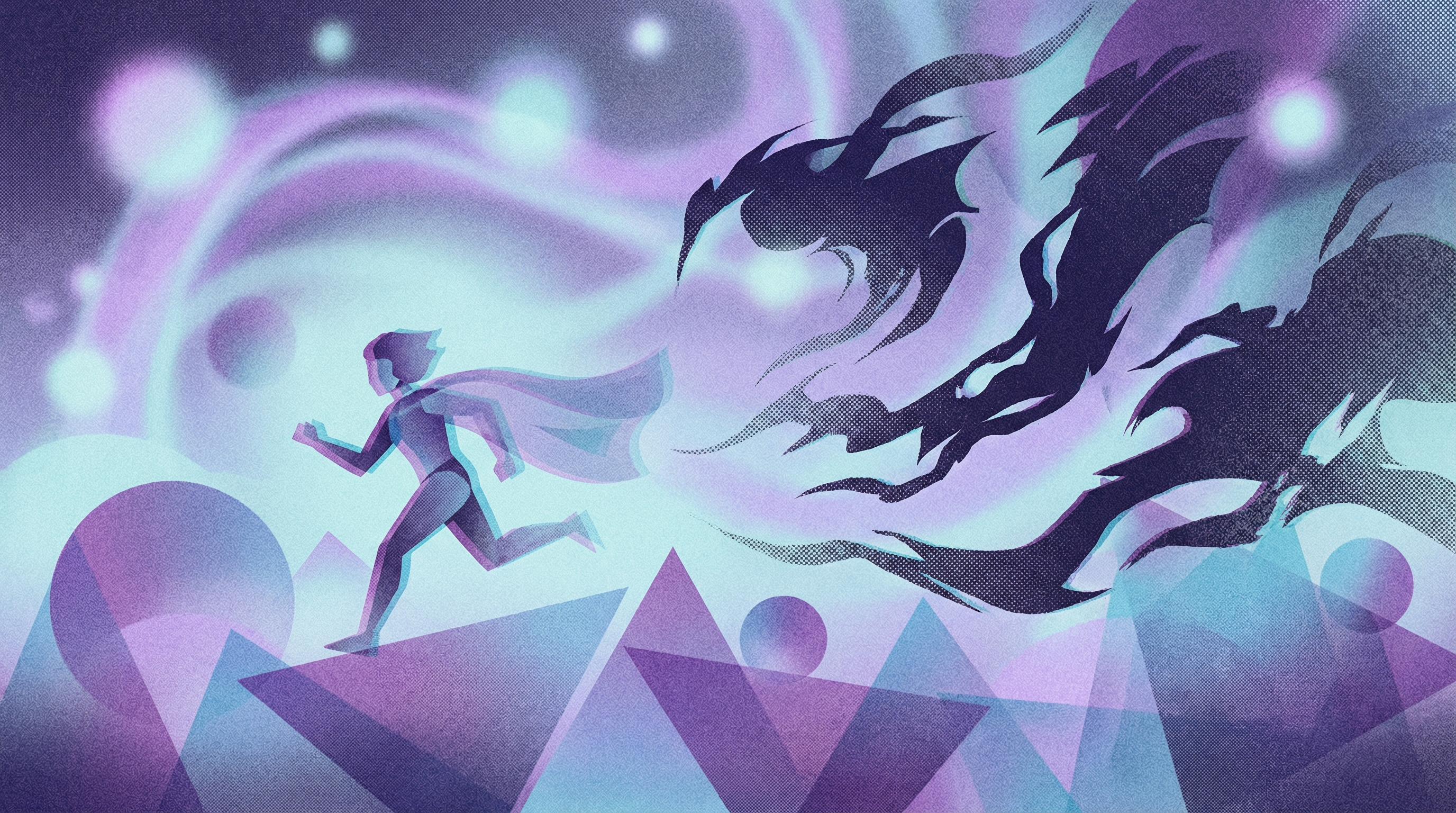
Quick Answer: Dreams about being chased almost always represent avoidance. Psychology suggests what you're avoiding isn't a person, but a feeling, responsibility, or part of yourself you don't want to face.
Why You're Being Chased in Dreams
Chase dreams are your subconscious's way of telling you: stop running. When you avoid something in waking life, whether consciously or not, your brain processes that avoidance during sleep. The result is a dream where you're literally running from something.
The core message of a chase dream is usually:
- Avoidance: You're putting off dealing with something important
- Anxiety: You're experiencing significant stress about a situation
- Powerlessness: You feel unable to control or escape a problem
- Confrontation needed: Something requires you to face it directly
How Common Are Chase Dreams?
Being chased is the second most common dream scenario worldwide, trailing only behind falling dreams. Research shows approximately 29.5% of people report having chase dreams.
Chase dreams intensify during periods of heightened stress and anxiety, making them a reliable barometer of your mental state. If you're having more chase dreams than usual, your stress levels are likely elevated.
The Psychology of Being Chased
Chase dreams activate the brain's threat-detection systems during REM sleep. From a psychological perspective, the chase represents your relationship with whatever you're avoiding:
"Being chased in dreams often reflects waking anxiety about situations where the dreamer feels cornered or unable to escape. The pursuer represents what the dreamer is avoiding."
Common psychological triggers for chase dreams include:
- Work stress: Deadlines, conflicts, performance pressure
- Relationship avoidance: Difficult conversations you're putting off
- Health anxiety: Symptoms you're ignoring
- Financial stress: Bills, debts, or money decisions
- Suppressed emotions: Anger, grief, or fear you haven't processed
What's Chasing You Matters
The identity of your pursuer provides clues about what you're avoiding. Pay close attention to who or what is chasing you in the dream.
What's Chasing You and What It May Mean
Common pursuers and their interpretations
| Pursuer | Possible Meaning |
|---|---|
| Unknown person/shadow | Unknown aspects of yourself, vague anxiety, undefined fears |
| Known person | Conflict with that person, or qualities they represent |
| Animal (dog, wolf, etc.) | Instincts, aggression, primal fears, or natural drives |
| Monster or creature | Overwhelming fear, anxiety magnified, perceived threats |
| Authority figure (police, boss) | Guilt, fear of punishment, avoiding responsibility |
| You can't see what's chasing | Undefined anxiety, avoidance of something you haven't identified |
Sometimes, the most important detail is that you cannot see what's chasing you. An invisible or undefined pursuer often represents generalized anxiety or avoidance of something you haven't consciously identified yet.
Explore Your Dream Symbols
DreamStream's AI generates dream signs (tags) for symbols, people, and themes. Review your top dream signs to see what shows up most often.
Common Chase Dream Scenarios
The specifics of how you're chased add meaning:
- Running in slow motion: Feeling powerless, unable to escape no matter how hard you try. High anxiety.
- Hiding but being found: You can't avoid the issue indefinitely. Confrontation is inevitable.
- Being caught: The thing you've been avoiding has caught up with you. Action is required.
- Escaping successfully: You have the ability to overcome the situation if you act.
- Turning to face the pursuer: Growth. You're ready to confront what you've been avoiding.
The emotional tone matters too. Terror suggests you feel genuinely threatened. Annoyance might indicate a persistent nuisance you keep putting off.
The Fight-or-Flight Connection
Chase dreams directly connect to your nervous system's threat response. During REM sleep, even though you're not in physical danger, your brain can trigger fight-or-flight reactions. This is why you might wake from a chase dream with a racing heart and sweating.
The dream is essentially a simulation of your anxiety state. Your brain is rehearsing how to respond to perceived threats, which is why chronic anxiety often produces more chase dreams.
When Chase Dreams Become Recurring
Recurring chase dreams indicate persistent avoidance. If the same scenario repeats, you're consistently not addressing something important. The dream will keep coming until:
- You confront the issue in waking life
- The source of stress resolves on its own
- You process the emotions involved
If you're having recurring nightmares involving being chased, techniques like Imagery Rehearsal Therapy (IRT) can help you mentally face your pursuer and reduce dream distress.
How to Stop Running
Chase dreams ask you to stop running and start confronting:
- Identify what you're avoiding: What difficult situation, conversation, or emotion have you been putting off?
- Name the pursuer: What or who is chasing you? What does it represent in your waking life?
- Take one action: Address even a small part of the avoided issue. Breaking avoidance patterns reduces chase dreams.
- Practice confrontation in the dream: Before sleep, visualize turning to face your pursuer. This can change the dream narrative.
- Address stress sources: If chase dreams are increasing, your stress is increasing. What's changed?
Record the Chase Details
The specifics of your chase dream, who's chasing you, how you're moving, where you're running, reveal what you're avoiding. Capture everything with voice recording before it fades.
The Bottom Line
Chase dreams are a signal. Your subconscious is showing you, in vivid terms, that you're running from something that needs to be faced. The solution isn't to outrun it. It's to turn around, see what's there, and deal with it. The chase will stop when the avoidance stops.