
Key Takeaways
- ✓Naked dreams rank among the top 10 most common dream themes across all cultures
- ✓They primarily reflect vulnerability, social anxiety, or fear of judgment in waking life
- ✓If you felt free or unbothered by the nudity, the dream may signal a desire for authenticity
- ✓The setting and audience in the dream determine the specific interpretation
Quick Answer: Dreaming about being naked reflects feelings of vulnerability, exposure, or fear of judgment in your waking life. In studies analyzing over 12,000 dreams, nudity themes appeared consistently among the most common dream scenarios. Your emotional reaction in the dream is the key: panic means social anxiety; freedom means a desire for authenticity.
What does it mean when you dream about being naked?
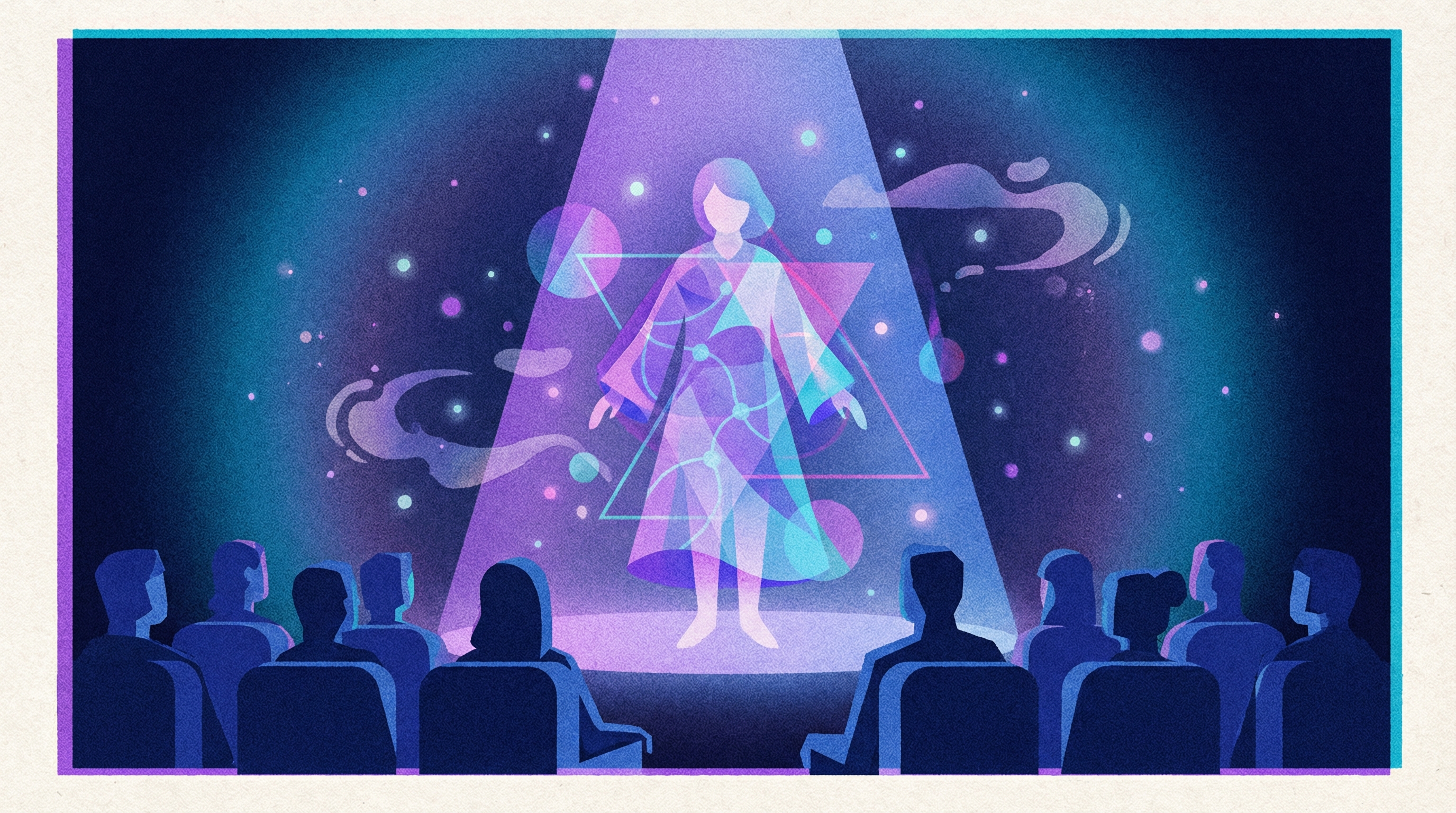
Naked dreams are about exposure, not bodies. Your brain isn't fixated on physical nudity; it's processing situations where you feel seen, judged, or unprotected. Clothes in dreams function as social armor. Remove them, and whatever you've been hiding (insecurities, secrets, unfinished work) becomes visible.
These dreams most commonly surface during transitions. New jobs, new relationships, public speaking, or any situation where you're being evaluated by people whose opinions you care about. The nakedness is your brain's way of saying: "I feel exposed here." It taps into the same vulnerability that drives falling dreams and teeth dreams.
What makes naked dreams interesting is the split reaction. For some people, the dream is pure horror. For others, it's oddly freeing. That difference tells you more than the nudity itself. We'll break down both sides.
What do different naked dream scenarios mean?
Where you are naked and how you feel about it determine the interpretation. The dream's setting acts as a map to the waking-life situation that triggered it.
| Dream Scenario | Common Interpretation | Emotional Core |
|---|---|---|
| Naked at work/school | Imposter syndrome, fear of professional exposure | Anxiety |
| Naked in a crowd (panicked) | Social anxiety, fear of being judged or found out | Shame |
| Naked but nobody notices | Your fears may be self-imposed; others aren't watching as closely as you think | Relief / insight |
| Naked and feeling free | Desire for authenticity, shedding social masks | Liberation |
| Trying to cover up | Hiding something about yourself from others | Concealment |
| Someone else is naked | Perceiving vulnerability in that person, or they've revealed something to you | Awareness |
The location matters. Naked at school points to academic or intellectual insecurity. Naked at a party suggests social anxiety. Naked at home might mean you're uncomfortable with intimacy or worried about what a partner or family member will discover about you.
What if nobody notices I'm naked in the dream?
This is actually the most encouraging version of the naked dream. It suggests that the exposure you fear in your waking life may be less visible to others than you assume.
Think about it. You walk into a meeting room in the dream, completely exposed, braced for humiliation, and nobody looks up. The world keeps going. This scenario shows up frequently in people dealing with imposter syndrome. You're convinced everyone can see through you, but the dream itself is telling you that your internal experience of vulnerability doesn't match external reality.
There's a clinical basis for this too. Cognitive psychologists call it the "spotlight effect," the tendency to overestimate how much other people notice about us. A naked dream where nobody cares is your sleeping brain course-correcting that bias.
Capture the emotional details before they vanish
DreamStream's voice recording lets you speak your naked dream immediately on waking. The AI captures not just what happened, but your emotional tone, which is the real interpretive data.
What does psychology say about naked dreams?
Three major psychological traditions have something to say about naked dreams, and they don't agree.
Freud read naked dreams as expressions of repressed exhibitionism or wish fulfillment. In his view, the dream involves a conflict between the desire to be seen (childhood innocence, where nudity was unshamed) and the socialized fear of exposure. Whether or not you buy Freud's full framework, the tension between wanting to be seen and fearing what people will see is real and shows up in modern clinical psychology.
"The persona is a mask we wear in public. When dreams strip it away, they invite us to confront who we are without social performance."
Jung saw naked dreams as the psyche removing the "persona," the social mask we construct for different situations. Being naked in a dream is an invitation to drop the performance and engage with your authentic self. In Jung's framework, these dreams aren't threats. They're opportunities for self-integration.
Cognitive psychology offers the most practical explanation. Naked dreams mirror your waking preoccupation with social evaluation. The brain takes the abstract feeling of "I'm being judged" and converts it into the most literal image of exposure it can generate. This is why naked dreams cluster around job interviews, first dates, and public presentations, situations with high social scrutiny.
What triggers naked dreams?
Any situation that activates social evaluation anxiety. The most common triggers include:
- Starting a new job or role: The "will they figure out I don't belong?" anxiety
- Public speaking or presentations: Literal performance exposure
- New romantic relationships: Emotional vulnerability mapped onto physical imagery
- Keeping a secret: The fear of being "found out" translates directly to nudity imagery
- Physical insecurity: Body image concerns can trigger literal naked dreams
- Major life transitions: Moving cities, changing careers, ending relationships
If you can identify the waking-life trigger, the dream's message becomes obvious. It's not warning you about nudity. It's flagging the specific area where you feel unprotected.
What should I do after a naked dream?
Record the setting, the audience, and your emotional reaction. Those three elements decode the dream faster than any symbol dictionary.
Ask yourself:
- Where was I? (Work, school, party, unknown location)
- Who was watching? (Strangers, colleagues, family, nobody)
- How did I feel? (Panicked, ashamed, indifferent, liberated)
- What am I currently hiding or worried about being exposed?
If naked dreams recur, track them in a journal. Patterns become visible fast. You might discover they only happen before team meetings, or during periods when you're concealing bad news from someone. Once the real-world trigger is identified, the dreams usually taper off because the underlying issue has moved from subconscious processing to conscious awareness. (See our full guide on why recurring dreams happen and how to stop them.)
Track vulnerability patterns across your dreams
DreamStream's Dream Radar identifies recurring emotional themes, including exposure, shame, and vulnerability, across all your logged dreams. See what your subconscious keeps flagging before you're consciously ready to face it.
The bottom line
Naked dreams are your brain's way of processing vulnerability. The nudity is a metaphor for exposure: whatever you're worried about being seen, judged, or discovered surfaces as the most literal image of being unprotected. Pay attention to how you felt in the dream, not just what happened. That emotional response points directly to the waking-life situation that needs your attention.