
Key Takeaways
- ✓70% of all dreams feature people (friends, family, strangers)
- ✓Falling is the #1 most common dream scenario worldwide
- ✓Anxiety appears in 72% of recorded dreams, making it the dominant emotion
- ✓Being chased affects 29.5% of dreamers, driving the 'stress dream' phenomenon
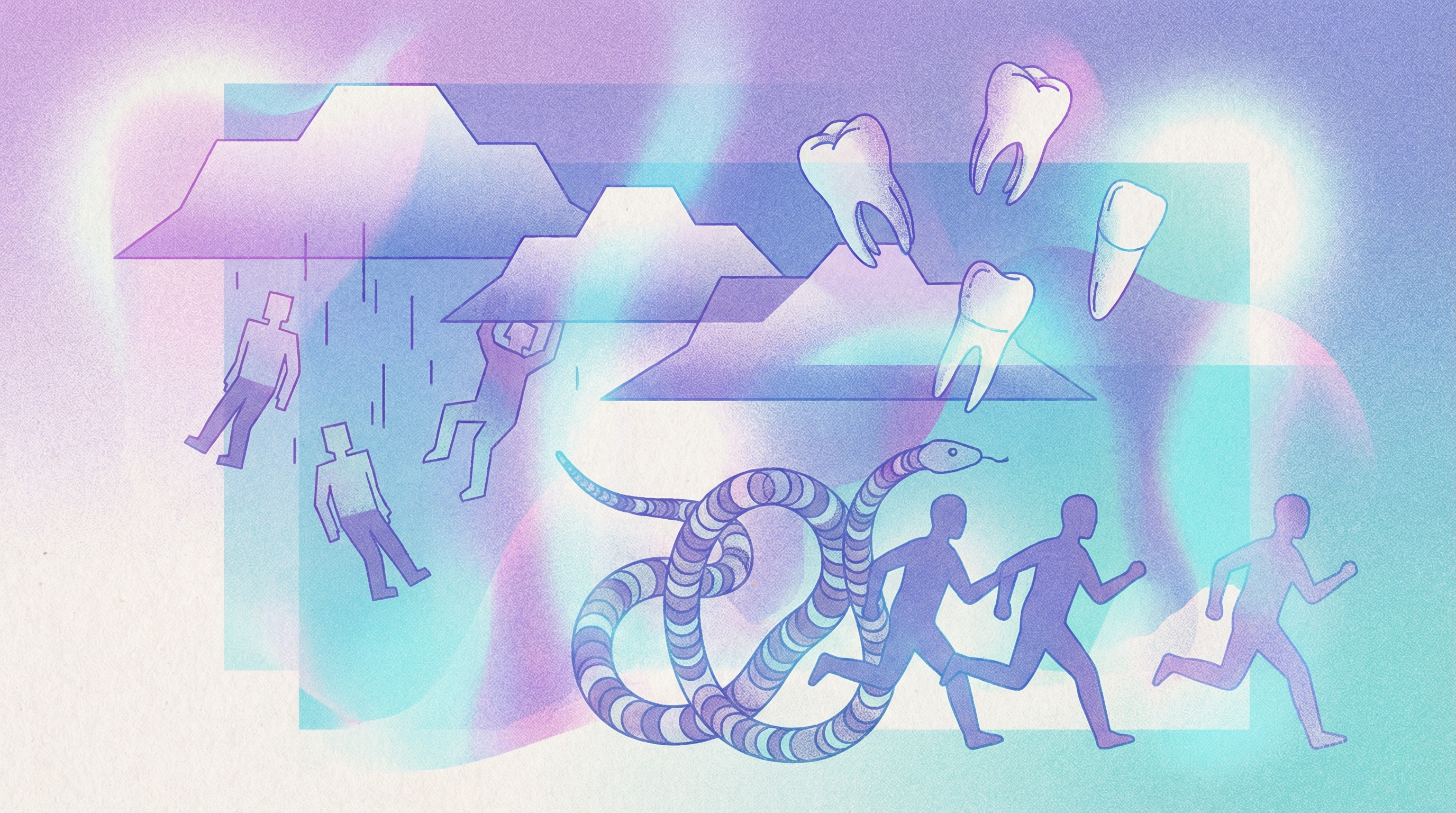
Quick Answer: The most common dream is falling, followed by being chased (29.5%), being attacked (22%), and teeth falling out. Approximately 70% of all dreams feature people, and anxiety appears in 72% of recorded dreams, making it the dominant emotional pattern.
How We Measured Dream Frequency
This isn't guesswork. The data comes from the 2024 Dream Analysis Report, which analyzed over 100,000 dream journal entries using AI-powered natural language processing. The study identified:
- Symbols: Objects, people, and settings that appear in dreams
- Scenarios: Common plot patterns (being chased, flying, etc.)
- Emotions: Dominant feelings recorded alongside dream content
- Temporal patterns: How dream vividness changes by season
This gives us hard percentages, not vague interpretations.
The Top 10 Most Common Dreams
1. Falling (Most Common Worldwide)
Falling is the #1 dream scenario globally. It typically occurs during the transition between wakefulness and sleep (hypnagogia) and often jolts the dreamer awake with a "hypnic jerk."
What it may mean: Feelings of losing control, insecurity, or anxiety about a situation in waking life. It's particularly common during periods of stress or major life transitions.
2. Being Chased (29.5%)
Nearly 1 in 3 dreamers report being chased. The pursuer can be a person, animal, monster, or undefined threat. The emotional tone is almost always fear or panic.
What it may mean: Avoidance. Being chased often reflects running from a problem, emotion, or responsibility in waking life. The pursuer sometimes represents a part of yourself you're not confronting.
Most Common Dream Scenarios
Percentage of dreamers who report each scenario
Source: 2024 Dream Analysis Report (via Dr. Leslie Ellis)
3. Teeth Falling Out
One of the most searched dream topics. People dream about teeth crumbling, falling out one by one, or spitting out broken teeth.
What it may mean: Powerlessness (teeth are survival tools), concerns about appearance or aging, communication difficulties, or significant life transitions. Some research links it to teeth grinding (bruxism) during sleep.
4. Being Unprepared or Late
The classic "exam you didn't study for" dream. Variations include arriving late to an important event, forgetting essential items, or being completely unprepared for a presentation.
What it may mean: Performance anxiety, fear of judgment, or imposter syndrome. Common among high achievers and during periods of increased responsibility.
5. Flying
One of the few positive common dreams. Flying dreams range from effortless soaring to struggling to stay airborne. The emotional tone is usually exhilaration or freedom.
What it may mean: Liberation, transcendence, or gaining perspective on a situation. Difficulty flying can reflect obstacles or self-doubt.
"People-related symbols appear in nearly 70% of all recorded dreams, suggesting that dreams are fundamentally social experiences. "Friend" (2.4%) and "Friends" (2.0%) are among the most common individual symbols."
The remaining top 10:
- Snakes: Symbolize transformation, danger, or healing depending on context
- Dying or death: Often about endings and transitions, not literal death
- Being naked in public: Vulnerability, exposure, or fear of judgment
- Water (drowning, floods): Emotional overwhelm or unconscious content
- Pregnancy: New beginnings, creativity, or anxiety about change
The Emotional Landscape of Dreams
Anxiety dominates. The 2024 report found that fear and anxiety appear in 72.1% of recorded dreams, far outpacing any other emotion. This explains why "stress dreams" are so universally relatable.
Emotional Landscape of Dreams
Anxiety dominates dream emotions, explaining why "stress dreams" are so common.
Interestingly, dream vividness peaks in September (Fall) and correlates with higher emotional intensity. This may relate to circadian rhythm shifts as daylight decreases.
Track YOUR Dream Patterns
DreamStream's Dream Radar shows your personal mix of dream axes (plus a Stress axis) and highlights your most common dream signs over time.
Why Tracking Your Dreams Matters
Knowing what's "common" is interesting, but what matters is YOUR patterns. Your recurring symbols and emotions are personal - they reflect your life, not statistical averages.
- Identify stress signals: Recurring chase dreams might indicate unaddressed anxiety
- Track emotional health: Shifts in dream emotion can precede mood changes
- Recognize growth: Flying dreams or resolved conflicts can reflect personal development
- Prepare for lucidity: Knowing your dream signs makes lucid dreaming more achievable
The Bottom Line
Dreams aren't random noise. The data shows clear patterns: falling, being chased, and teeth dreams dominate, with anxiety as the primary emotional driver. These universal signs connect us across cultures.
But your personal dream patterns matter more than global statistics. Start tracking, and you'll discover what YOUR subconscious is processing.